
A Different Way of Healing
What happens when words are not enough?
For many people, emotions live first in the body and images — not in language. Painting and art-making offer a powerful, evidence-based way to support mental health by engaging the brain, nervous system, and emotions in a way that traditional talking therapies sometimes cannot.
Art is not about talent or producing something “beautiful.” It is about expression, regulation, insight, and integration.
Why Art Supports Mental Health – The Science Behind It
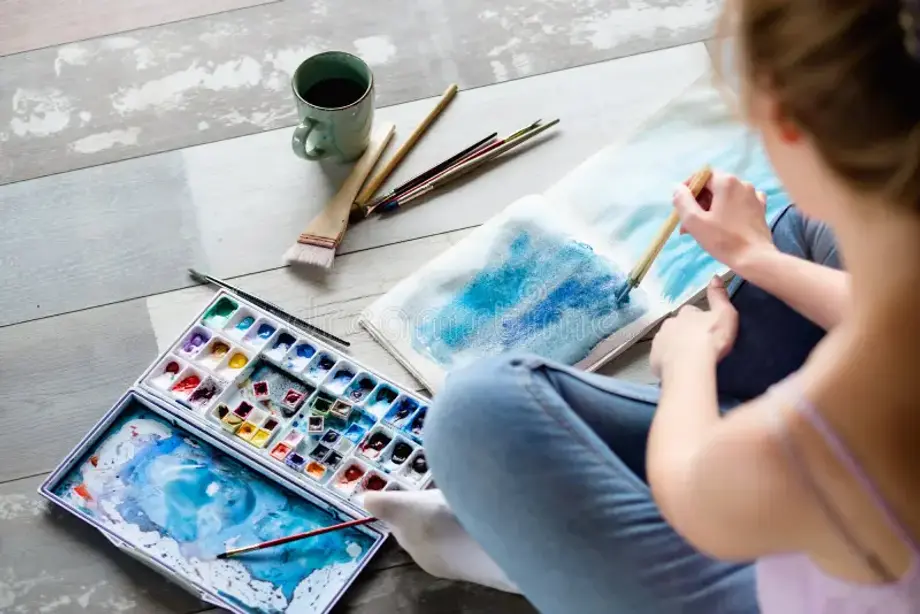
Research in psychology and neuroscience consistently shows that engaging in creative activities such as painting can have profound mental health benefits:
Reduces stress and anxiety
Art-making lowers cortisol (the stress hormone) and activates the parasympathetic nervous system, helping the body move out of “fight or flight” and into a calmer state.Improves emotional regulation
Visual expression helps the brain process emotions that are difficult to name, particularly those linked to trauma, grief, or long-standing stress.Activates different brain pathways
While talk therapy relies heavily on language and logic (left hemisphere), art engages sensory, emotional, and imagery-based processing (right hemisphere), allowing for deeper integration.Supports trauma recovery
Studies in art therapy show that non-verbal expression can safely access and process traumatic memories without overwhelming the nervous system.Enhances mood and self-esteem
Creating something tangible can increase feelings of agency, accomplishment, and self-connection.
Art is not a replacement for therapy — it is a powerful complement and, for some people, a more accessible starting point.
How Is Art-Based Work Different From Traditional Counselling?
Traditional counselling often asks questions like:
“What happened?”
“How did that make you feel?”
“What do you think about it now?”
Art-based work gently asks something different:
“What wants to be expressed?”
“What does this feeling look like?”
“What emerges when you stop trying to explain?”
Key differences include:
Less pressure to talk
You do not need the “right words.” Silence, colour, shape, and movement become the language.More embodied awareness
Painting naturally brings attention to the body, breath, and sensations — essential for nervous system regulation.Access to unconscious material
Images often reveal themes, emotions, or patterns that may not yet be conscious.A slower, gentler pace
Art invites curiosity rather than analysis, allowing insight to emerge organically.
For many people, art feels safer, less confronting, and more intuitive than verbal processing alone.
Who Might Benefit From Introducing Art Into Their Healing?
You might find art-based approaches especially helpful if:
You feel emotionally “stuck” or disconnected
You struggle to talk about feelings
You experience anxiety, burnout, or chronic stress
You have a history of trauma or grief
You tend to overthink or intellectualise emotions
You want to reconnect with creativity, play, or self-compassion
You do not need to identify as “creative.” In fact, many people who believe they are “bad at art” experience the most meaningful shifts — because the focus is on process, not performance.

What You Can Gain by Bringing Art Into Your Life
By introducing painting and art into your mental health journey, you may experience:
Greater emotional awareness and clarity
Improved stress management and grounding
A deeper connection to yourself
Increased self-compassion and acceptance
New perspectives on old patterns
A sense of calm, flow, and presence
Art becomes a mirror, a container, and a bridge — between thoughts and feelings, mind and body, past and present.
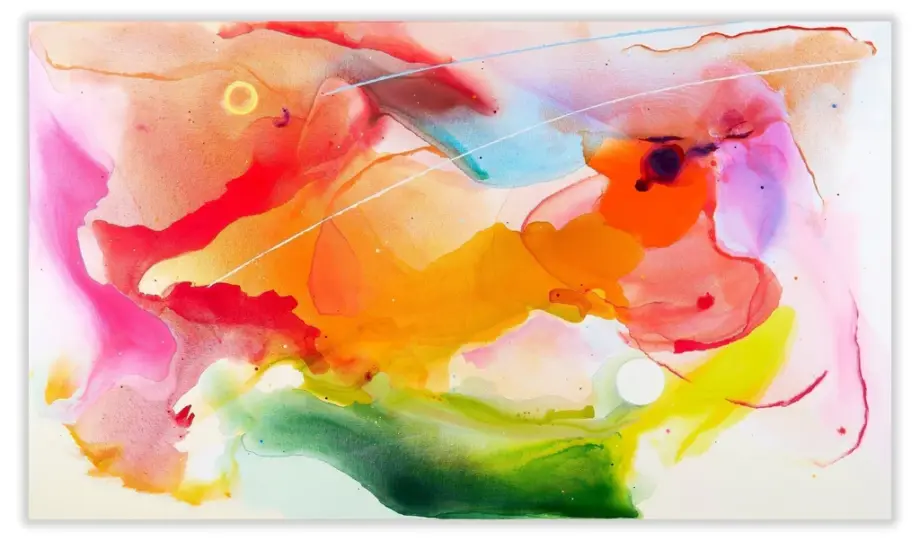
You do not need to be an artist.
You do not need to know what you are feeling.
You only need curiosity and willingness.
Art offers a space where healing does not have to be forced — it can unfold.
If you are curious about exploring art as part of your mental health journey, this approach can be gently integrated alongside therapeutic support, tailored to your needs, pace, and comfort.


